

In a world where "fast furniture" and mass-produced homewares are the norm, it is becoming a radical act to ask: Who made this? And how?
At House of Bengal, we believe that true luxury isn't just about how a product looks in your home—it’s about the story woven into its very fibers. As trends shift toward sustainable home decor and biophilic design (bringing nature indoors), we are seeing a return to the basics: natural materials, human hands, and a slower pace of life.
Here is why choosing handcrafted, heritage-rich pieces is the most sustainable choice you can make for your home sanctuary.
1. Materials That Return to the Earth
One of the biggest searches in interior design right now is for "natural fiber rugs" and "eco-friendly materials". Why? Because we are becoming painfully aware of the waste left behind by synthetic textiles.
We specialize in two of the most eco-friendly fibers on the planet: Jute and Muslin.
- Jute (The Golden Fiber): Our Lahara and Rajbari Rugs are woven from jute, a rain-fed crop that requires little fertilizer and is 100% biodegradable. Unlike synthetic rugs that shed microplastics, a jute rug is kind to your home and the earth.
-
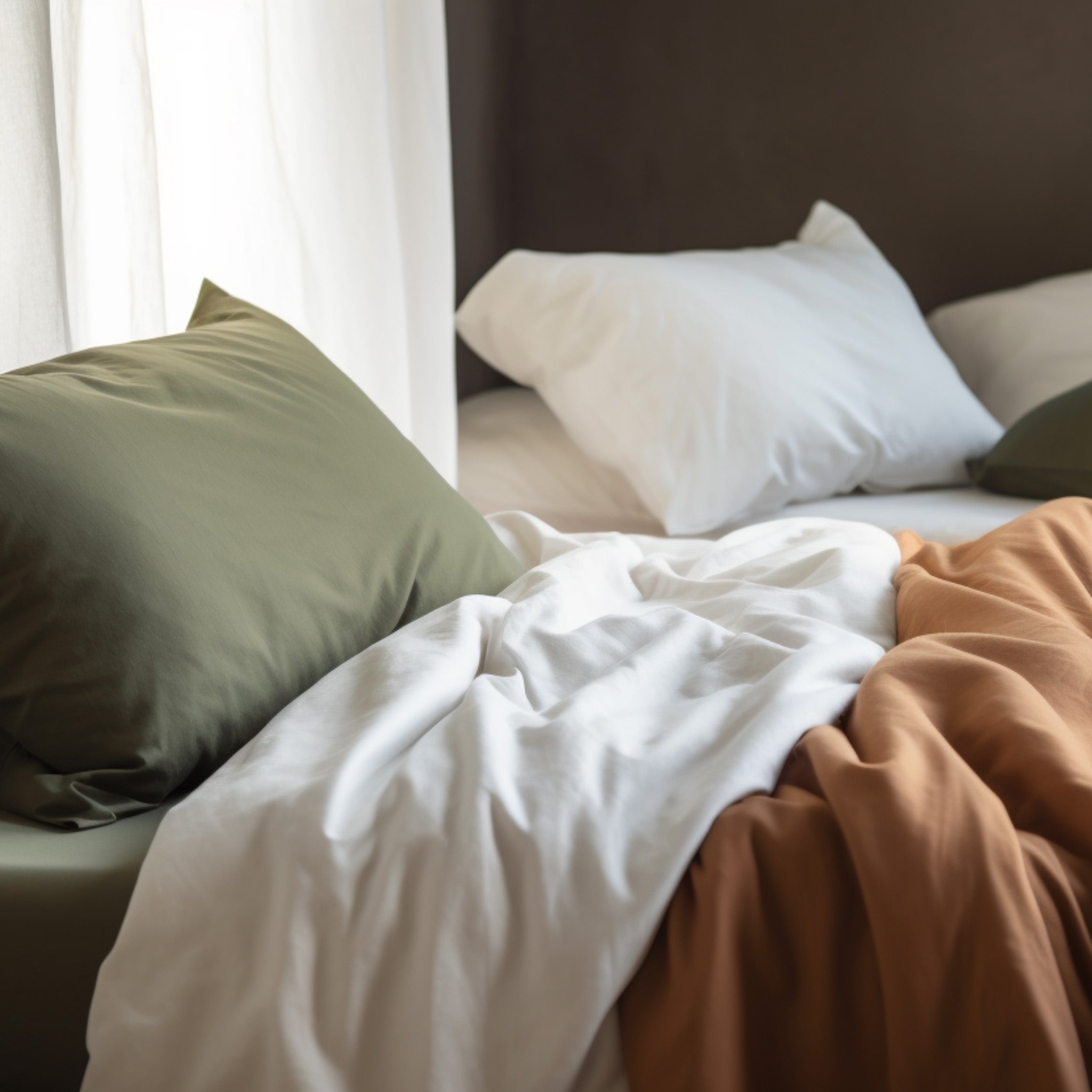
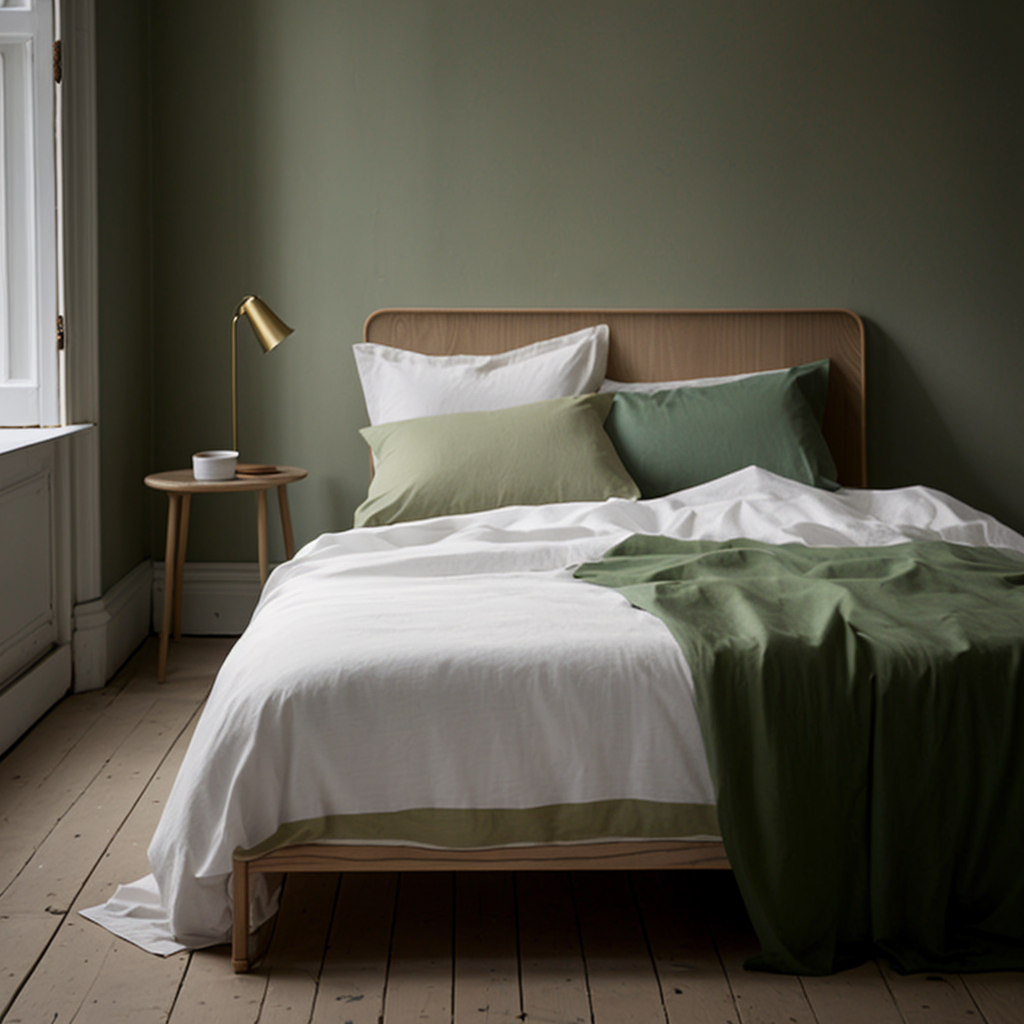
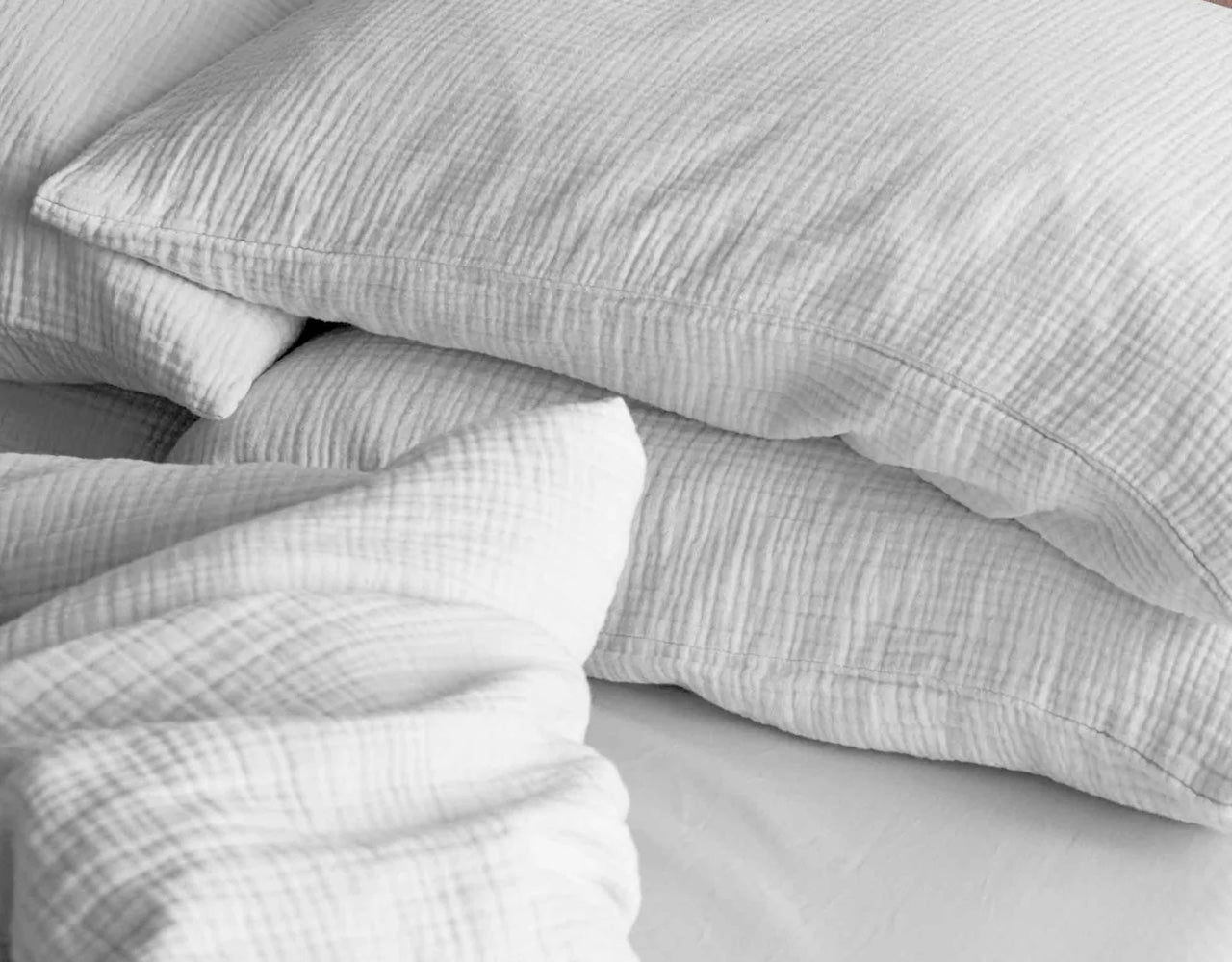
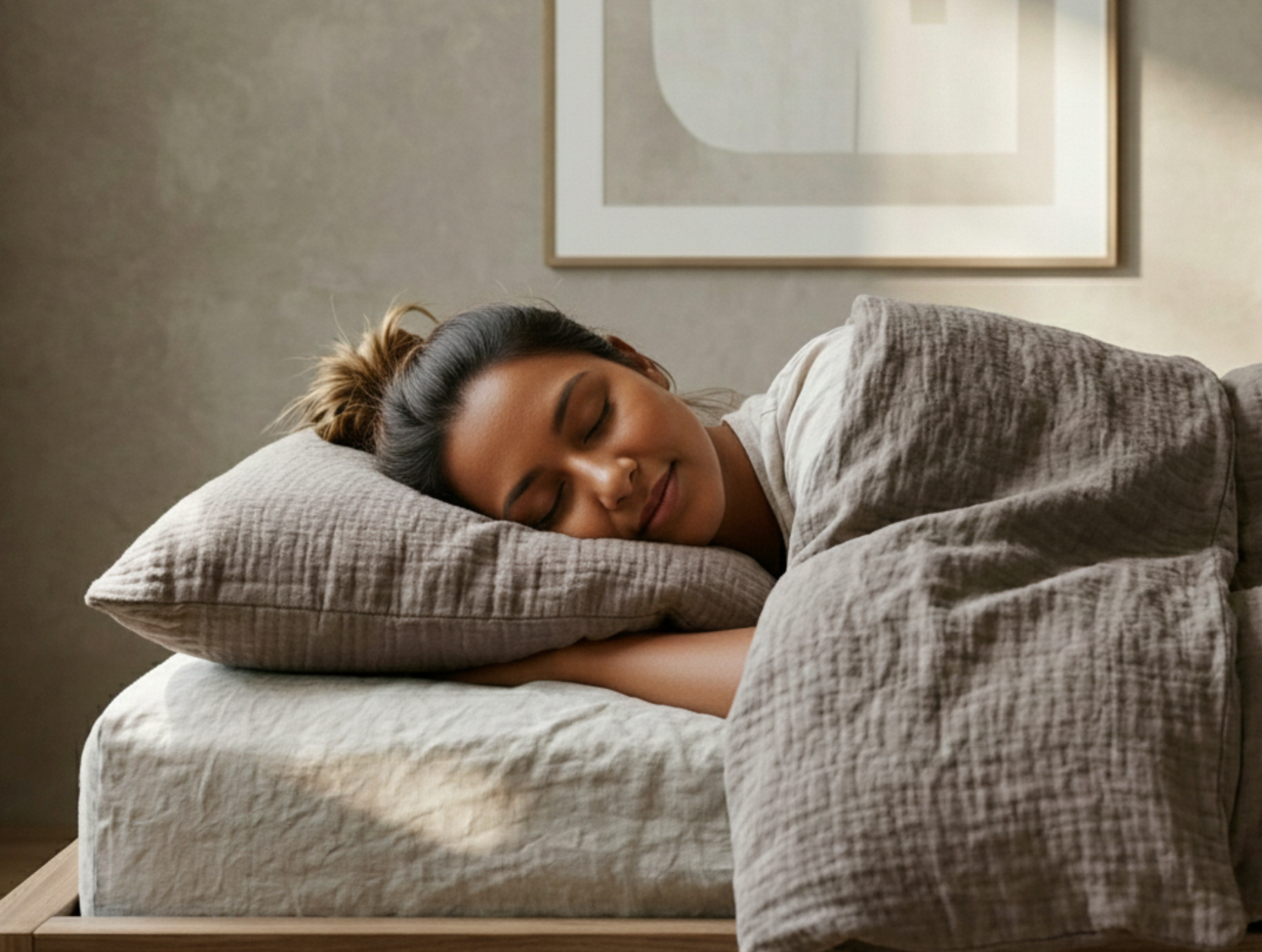
Muslin: Our bedding is made from pure cotton muslin. It’s a material that breathes, lasts for years, and avoids the heavy chemical processing of wrinkle-resistant synthetics.
2. The "Handmade" Difference
There is a rising demand for "handmade" and "artisanal" goods, and for good reason. Machine production prioritizes speed and uniformity, often at the cost of the environment. Hand-weaving prioritizes precision and longevity.
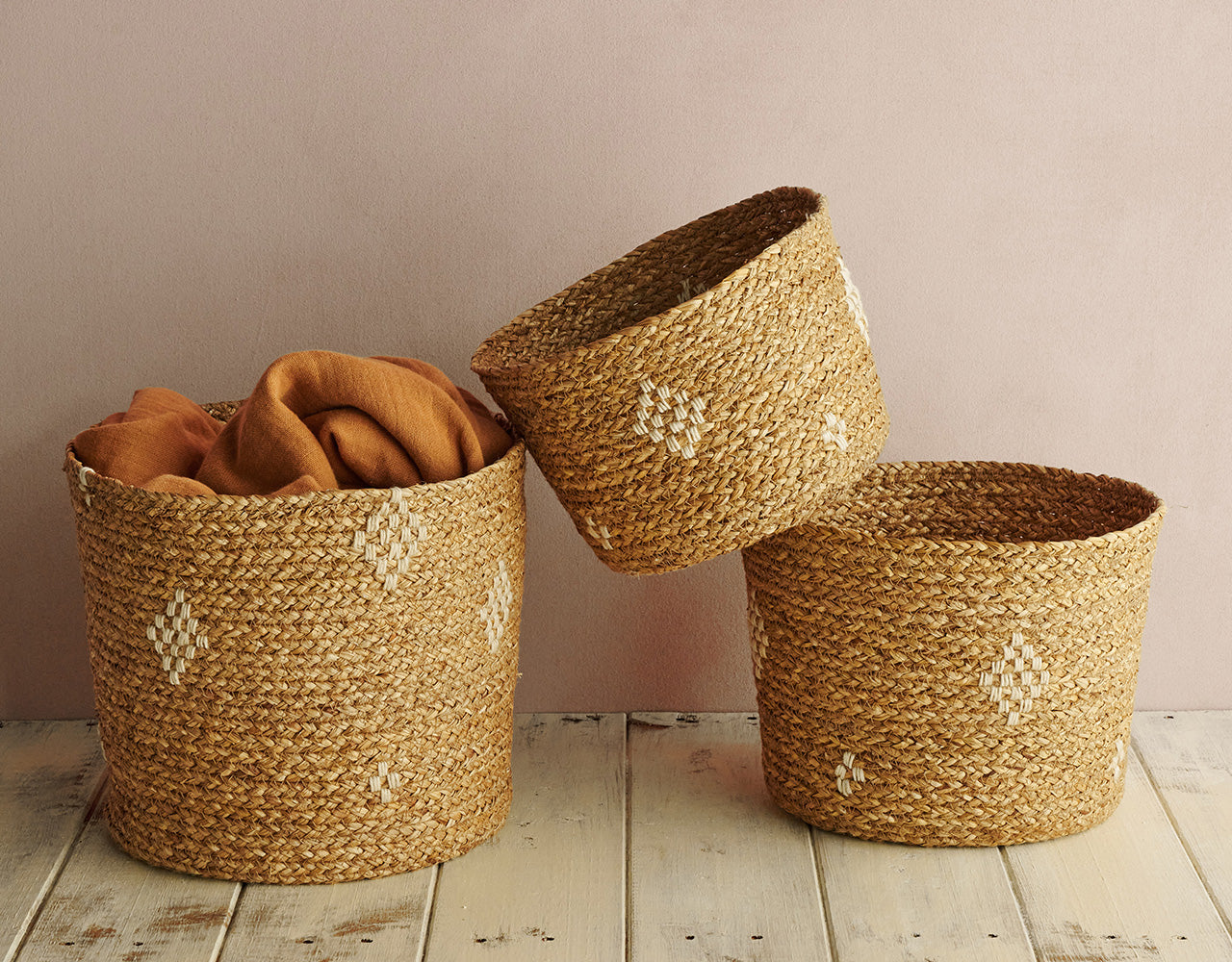
Every basket, coaster, and duvet cover at House of Bengal is crafted by expert artisans in Bangladesh. This isn't just manufacturing; it is the preservation of a heritage art form. When you buy a Handwoven Jute Basket, you are supporting a production process that has a significantly lower carbon footprint than factory-churned alternatives.
3. Transparency You Can Trust
Shoppers today are smart—they are "vetting authentic green claims" to avoid greenwashing.
We wear our values on our sleeve. Our commitment to ethical production is certified, ensuring that the hands that weave your Muslin Duvet Covers work in safe conditions and are paid fairly. This dedication is often symbolised by standards like the "Happy Worker" badge, offering you peace of mind that your comfort doesn't come at someone else's expense.
4. Scandi Design, Bengali Soul
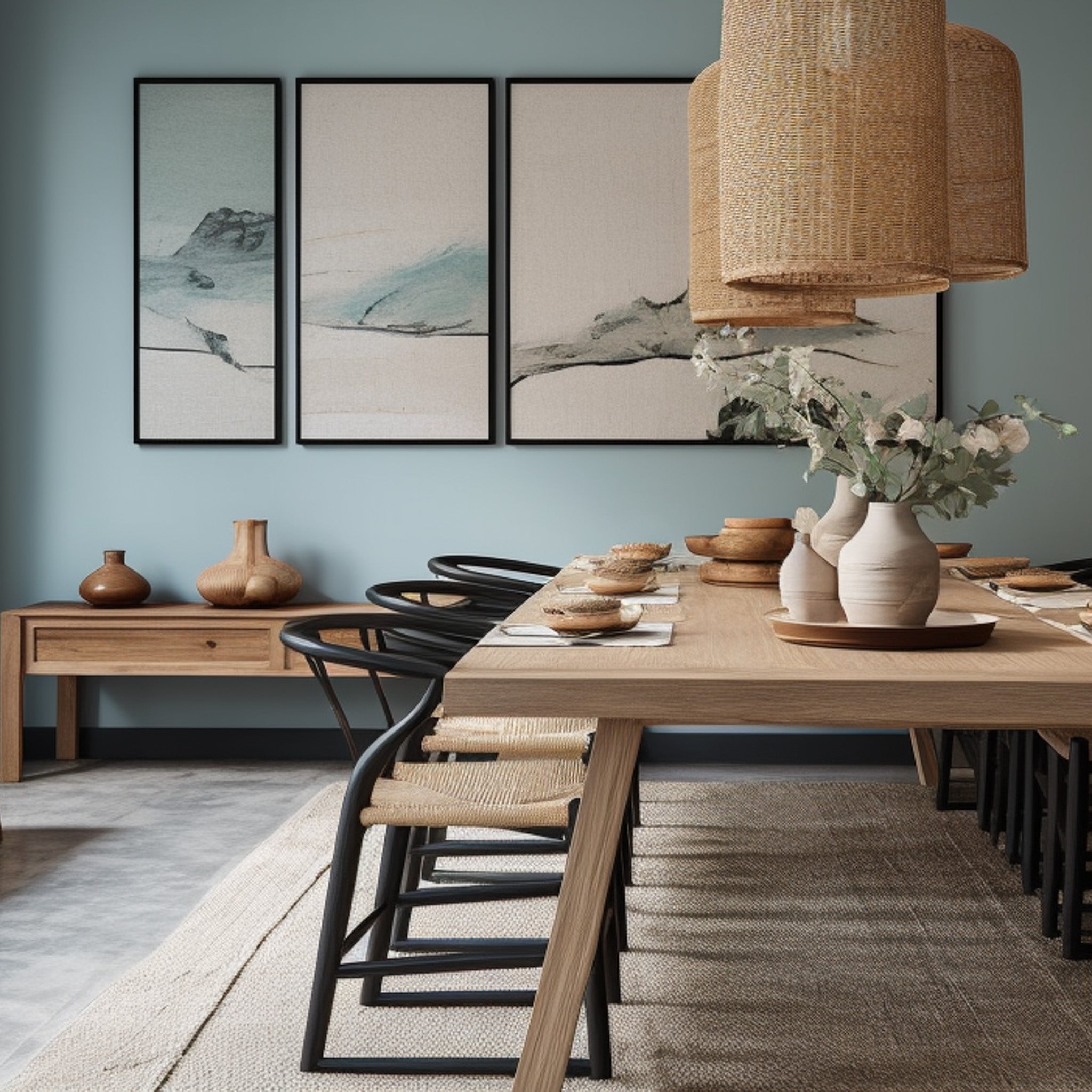
Sustainability doesn't mean compromising on style. The "Scandi-Boho" aesthetic is all about minimalism, functionality, and warmth—qualities that are inherent to Bengali craftsmanship.
By blending clean Scandinavian lines with the rich textures of Bengali weaving, we create pieces that transcend trends. A warm grey muslin pillowcase or a natural jute placemat never goes out of style. And the most sustainable product of all? The one you never need (or want) to throw away.
Build Your Sustainable Sanctuary
Ready to transform your home with intention? Explore our collection of ethically made, handwoven essentials at House of Bengal :)

Leave a comment
This site is protected by hCaptcha and the hCaptcha Privacy Policy and Terms of Service apply.